It’s no secret that fruits are healthy, but did you know that regular fruit consumption is linked to better heart health and increased longevity?
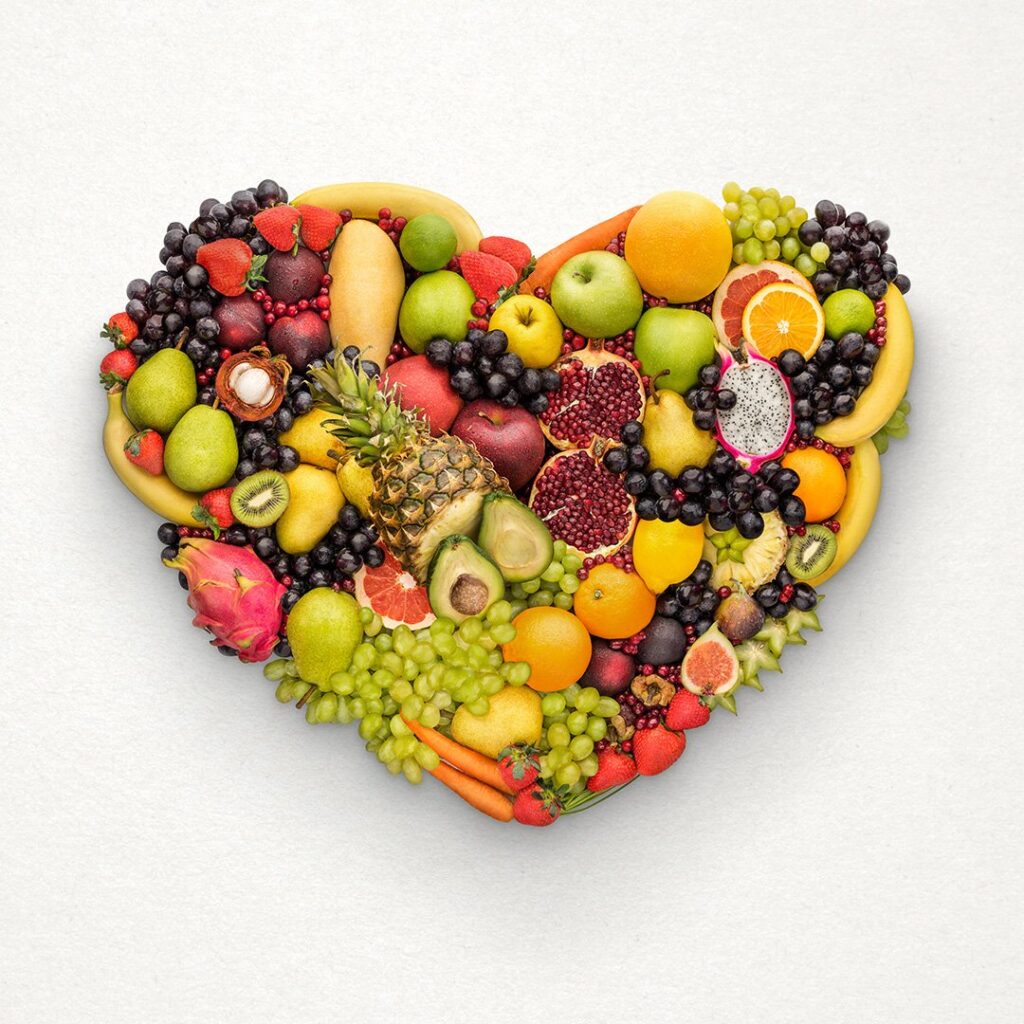
Research, including a 2019 study published in Current Medicinal Chemistry, highlights the strong cardiovascular protective effects of a diet rich in fruits (1). This means that eating more fruit can lower your risk of heart disease—the leading cause of death worldwide, according to the World Health Organization (WHO) (2).
If you’ve taken our Heart-Healthy Diet Assessment Quiz, you’re already taking an important step toward better heart health. One of the best ways to protect your heart is by replacing processed foods high in sodium, unhealthy fats, and added sugars with fresh, whole fruits. In this article, we’ll explore how different fruit groups contribute to cardiovascular health, support overall wellness, and provide practical ways to incorporate them into your daily diet.
Why Replace Processed & Unhealthy Foods with Fruits?
Many processed foods contribute to heart disease risk due to:
- Excess Sodium → Raises blood pressure, increasing heart attack and stroke risk (3).
- Added Sugars → Leads to insulin resistance, weight gain, and chronic inflammation (4).
- Unhealthy Fats (Trans & Excess Saturated Fats) → Increase LDL cholesterol, promoting plaque buildup in arteries (5).
How Fruits Improve Heart Health
✅ Lower Blood Pressure: Many fruits are high in potassium, which helps counteract sodium’s harmful effects and reduces hypertension risk (6).
✅ Reduce Cholesterol: Soluble fiber in fruits like apples and pears binds to cholesterol in the digestive system, helping to eliminate excess LDL cholesterol (7).
✅ Combat Inflammation: Fruits contain antioxidants, polyphenols, and flavonoids that help protect arteries and reduce inflammation, which is a key driver of heart disease (8).
To simplify things, we’ve grouped these 30 heart-healthy fruits into categories based on their nutritional benefits and effects on heart health.
1. Citrus Fruits - Vitamin C & Blood Pressure Regulation
Citrus fruits are packed with vitamin C, flavonoids, and fiber, all of which contribute to lowering cholesterol, improving blood flow, and reducing inflammation.
How Citrus Fruits Benefit the Heart
- Reduce Blood Pressure: Vitamin C helps relax blood vessels, improving circulation (9).
- Improve Cholesterol Levels: Citrus fruits lower LDL cholesterol and increase HDL cholesterol, helping prevent arterial plaque buildup (10).
- Support Hydration & Circulation: Their high water content ensures proper hydration, which is crucial for blood vessel elasticity.
Fruits in this Group:
Oranges – Contain hesperidin, which may improve arterial function (11).
Clementines – Provide fiber and antioxidants to support heart health.
Grapefruit – Contains naringenin, which may help lower cholesterol (12).
Lemons & Limes – Help reduce oxidative stress and support arterial function.
How to Incorporate More Citrus Fruits
- Drink fresh citrus-infused water instead of sugary sodas.
- Use lemon or lime juice instead of salt in cooking.
- Add orange slices to salads instead of processed dressings.
References for Citrus Fruits:
(9) American Heart Association. How Vitamin C Helps the Heart
(10) Mayo Clinic. Heart-Healthy Benefits of Citrus Fruits
(11) National Institutes of Health. Hesperidin and Vascular Health
(12) Harvard T.H. Chan School of Public Health. Grapefruit and Cardiovascular Disease
2. Berries & Small Fruits (High in Antioxidants & Fiber)
Berries are rich in anthocyanins, flavonoids, and fiber, making them some of the most heart-protective foods available.
How Berries Benefit the Heart
- Lower Blood Pressure: Anthocyanins improve blood vessel function and elasticity (13).
- Reduce LDL Cholesterol: Polyphenols in berries help prevent cholesterol oxidation, a key factor in heart disease (14).
- Fight Inflammation: Berries contain powerful antioxidants that combat arterial inflammation.
Fruits in this Group:
Strawberries – Help lower LDL cholesterol and improve heart function.
Blueberries – Contain flavonoids that enhance blood circulation (15).
Cherries – Rich in anti-inflammatory compounds, benefiting heart health.
Grapes – Contain resveratrol, which reduces blood clot risk (16).
Cranberries – Improve cholesterol balance and reduce oxidative stress.
Raspberries & Blackberries – Provide fiber and heart-protective flavonoids.
How to Incorporate More Berries
- Replace desserts with fresh berries and Greek yogurt.
- Blend into smoothies instead of ice cream.
- Use grapes or berries as a natural sweetener in oatmeal.
References for Berries:
(13) The Journals of Gerontology (2019) – Anthocyanins & Blood Vessel Function
(14) Nutrients (2021) – Berries & Cholesterol Reduction
(15) USDA – Blueberries & Heart Health
(16) Molecules (2021) – Resveratrol & Cardiovascular Protection
3. Fiber-Rich Fruits (Cholesterol-Lowering & Gut Health)
Soluble fiber found in these fruits binds to cholesterol in the gut, helping to reduce LDL levels and improve digestion.
How Fiber-Rich Fruits Benefit the Heart
-
Lower LDL Cholesterol: Pectin in apples and pears helps remove excess cholesterol (17).
-
Improve Blood Sugar Control: Helps prevent insulin spikes, reducing cardiovascular disease risk.
Fruits in this Group:
Apples & Pears – Contain pectin, which supports cholesterol reduction (18).
Figs & Dates – Help stabilize blood sugar and provide natural energy.
How to Incorporate More Fiber-Rich Fruits
- Swap cookies for sliced apples with almond butter.
- Add chopped dates instead of sugar to recipes.
References for Fiber-Rich Fruits:
(17) American Journal of Clinical Nutrition – Fiber & Heart Health
(18) Harvard Health – Pectin & Cholesterol Management
TAKEAWAY
By replacing processed snacks and sugary treats with these heart-healthy fruits, you’re reducing your risk of heart disease while enjoying naturally delicious, nutrient-rich foods.